Welcome

News
Contact UsIndustry News

12
NOVEMBER
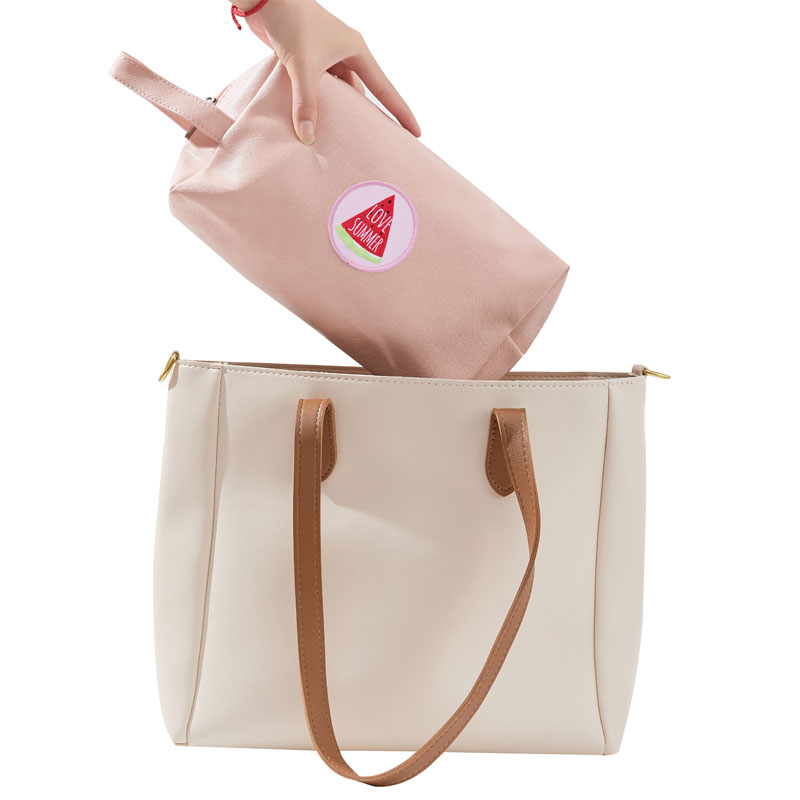
Custom PU Cosmetic Bag Quotes: Comparing Compartments, Handles and Packaging
Compare custom PU cosmetic bag quotes by compartments, handles, packaging, setup charges and delivery terms before placing a bulk order.

05
NOVEMBER
Packing Cube Quality Inspection Checklist for Bulk Orders
Six bags in a pack do not necessarily make the right six-piece set. A duplicated size can conceal a missing pouch, and an order can have the correct total quantity while containing the wrong color assortment. Packing cube quality inspection begins by checking those details against the order. Construction and zipper operation come next, followed by retail packing, carton contents and any corrections required before release.
Pre-shipment inspection gives an importer or private-label buyer a record on which to base the release decision. The report identifies the finished goods examined and the requirements used for comparison. The approved sample remains a construction and appearance reference; quantities and packing details also have to match the written order.
Start with the Lot That Is Actually Being Shipped
An inspection report needs an identifiable batch. The order number, style, color versions, quantity and packing references establish which goods the findings concern. If part of an order is unfinished, that fact matters: a report on available cartons cannot silently stand for stock that was not ready or accessible.
JUSTOP’s travel packing cube and organizer range contains different formats, so the inspection reference needs to name the ordered style rather than use “packing cubes” as a general description. The approved sample helps with appearance and construction; the written order supplies quantities and packing requirements. Neither replaces the other when the question is whether a finished shipment matches the purchase.
Sampling arrangements also belong in the inspection instructions. The buyer and inspection provider need to agree the lot definition, selection approach and acceptance criteria before examining goods. There is no universal number of cartons or sets that makes every bulk order adequately checked. A report should state what was selected and what remained outside the inspection.
Count Complete Sets Before Assessing Individual Bags
JUSTOP’s JTTBK026 six-piece organizer set combines three mesh clothing bags in large, medium and small sizes with three sorting pouches. That composition provides a concrete counting reference for this style. Six pieces in a unit pack would not be enough if the wrong sizes or pouch combination had been included. Set identity and piece count therefore belong in the same check.
Opening the selected unit packs and laying out their contents makes the comparison straightforward. Each component has a place in the set reference. If a pouch is absent, the report can name it instead of merely recording an incorrect count. A closed-pack photograph would miss this difference, however tidy the packaging appears.
Color adds another counting problem. Components can be mixed between versions without changing the number of pieces in a pack. A report that records only “six pieces present” would not explain that error. Identifying the affected colorway and where it was found gives the factory something specific to sort or correct.
Work Through Construction and Function
Measurements and Sewing
A soft organizer can be measured in several ways. The result might describe the body, the opening or the distance between seams. Before a number is accepted or rejected, both parties need to be using the same measuring points and tolerance. The report should state that method beside the result, especially where a dimension is close to a limit.
Open seams and skipped stitches deserve a closer look than a general comment about untidy sewing. The inspector can identify the joining point, photograph the condition and compare it with the approved construction. Loose thread ends belong in the record too, but they are not interchangeable with a seam that is coming apart. The buyer needs enough detail to distinguish the two.
Operation and Appearance
A zipper may catch at a corner even though the rest of its travel feels normal. Operating it along the opening helps locate that problem. Handles and attachments can likewise be compared with the approved assembly. These checks describe the units examined. A durability claim would require something more: a specified test, acceptance limits and a record of the result, rather than an informal pull or a few opening movements.
The same reporting discipline applies to odor, printing and marks on the material. “Poor quality” is too broad to tell a supplier what requires attention. An observation such as a visible mark beside the printed logo is easier to locate and discuss. A visual or odor check should remain just that; it cannot establish chemical compliance.
JUSTOP’s production and outgoing quality checks cover incoming materials, checks during production and finished-product sampling. This staged approach gives buyers a basis for discussing where a requirement will be checked. It does not remove the need to define the finished-order inspection scope. The shipment decision still concerns the goods available for inspection and the criteria agreed for that order.
Check Unit Packs and Carton Assortments
Packing introduces another set of references. The retail pack may carry a label or barcode specified by the buyer, while the carton has a different destination or assortment instruction. The inspection should compare the actual label with its approved content and placement. Merely recording that a label is attached leaves errors in the printed information undiscovered.
For mixed cartons, a total unit count tells only part of the story. The expected mix of styles or colors needs comparison with the contents of selected cartons. Carton identification in the report makes that observation traceable to the stock examined. The report should also make clear which cartons were opened; an external photograph says nothing about an unopened carton’s assortment.
Write Findings That Allow a Decision
Each finding should name the affected component, describe the fault and identify where it appeared in the selected units. A location and photograph can make a sewing fault easier to act on than a broad rating such as “unsatisfactory.” Acceptance is then judged against the agreed requirement. Defect totals from the sample remain sample results; they should not be described as a count of faults in the entire lot.
Finding
Information needed for a release decision
Missing sorting pouch
Set version, affected sample units and stock location.
Zipper catches at a corner
Component, operating observation and agreed requirement.
Carton assortment differs
Expected mix, observed mix and carton identification.
JUSTOP’s batch quality checks cover sewing, printing, size and zipper or Velcro operation. Some products from each batch are retained to help investigate later problems. For a complaint, the buyer should identify the order and affected stock, attach the inspection findings, and agree with the supplier which batch references will be used in the follow-up.
Resolve Corrections Before Releasing the Shipment
Correction and Affected Stock
Missing components may require packs to be opened and completed. A zipper fault may require repair, replacement or sorting, depending on what the parties agree. Before that work starts, the plan should identify the affected stock and the intended action. Otherwise, “rework completed” can mean different things to the factory and the buyer waiting for release.
One corrected set can show what the repair looks like. It cannot show that every affected unit received that repair. The follow-up needs to cover the extent of sorting or rework and how the result was checked. Stock awaiting correction should remain identifiable until the relevant findings have been closed under the agreed release arrangement.
Reinspection and Signoff
The recheck record belongs beside the original finding, with the correction and its result clearly connected. Remaining deviations then go to the person authorized to accept or reject them. That person may hold the goods, require further work or accept a documented exception. The inspector should not have to infer a commercial concession from pressure to meet a shipping date.
Conclusion
A packing cube checklist is most valuable when it leaves little ambiguity at shipment release. The right components, serviceable construction and correct packing all matter, but so does the record linking them to the inspected lot. Unfinished corrections or an unexplained assortment difference belong in that decision, rather than disappearing behind an overall comment that the goods look acceptable.
JUSTOP handles packing cube supply enquiries for travel organizer projects. A buyer can bring the set reference, branding and packing requirements into that discussion, together with the proposed inspection arrangement. Naming the person responsible for release at the outset gives later findings a clear destination, particularly when a wholesaler, brand owner and separate inspection provider are involved.
FAQ
Does checking the piece count confirm a complete packing cube set?
Not by itself. A pack could contain two bags of one size and none of another, yet still contain six pieces. The composition reference resolves that problem: it names each required component and its version. Counting the pieces is one check; matching them to that reference completes the set check.
What sample size should a bulk packing cube inspection use?
The sample size has to be set for the particular lot and inspection arrangement. It should be agreed before the visit, together with selection and acceptance rules. This article does not prescribe a default count. The factory’s own sampling may differ from the arrangement commissioned by the buyer.
Is a working zipper proof of durability?
No. It establishes only how the zipper operated during that check on the inspected unit. A long-term durability requirement needs a defined test and suitable evidence for the ordered construction. The inspection record should avoid describing a basic opening-and-closing check as proof of a cycle-test result.
Can corrected goods be released without another check?
Release depends on the agreed correction and verification plan. Where reinspection is required, the follow-up record should connect its result to the original finding and affected stock. The authorized buyer decides whether remaining deviations are acceptable; a supplier’s repair statement alone need not close the issue.

29
OCTOBER
How to Specify Packing Cube Packaging for Amazon FBA
Specify packing cube packaging for Amazon FBA around one complete sales unit. List the bags sold together, their folded arrangement and the enclosure that keeps them together. Include the label requirements for that offer. Price the unit pack separately from the transport carton, and assign preparation and labeling before shipment. This gives the factory and any prep provider a defined job to quote.
US private-label sellers can begin with the travel organizer and packing cube range. For purchasing, the reference must also describe what surrounds those bags and the condition in which they will reach the next business. A prep provider receiving loose sets has a different job from one receiving enclosed sets ready for label application.
What Exactly Is Being Sold
Seven pieces can make one inventory unit when customers buy them as a set. A carton can hold several such units. Record the contents of one set first, then the number of complete sets in the transport carton. Those two descriptions tell the packing team how the order is grouped without leaving the word unit open to interpretation.
The JTTBK-Z6002 seven-piece mesh set combines XL, L, M and S clothing bags with a makeup bag, a flat electronics bag and a shoe bag. An instruction to pack seven cubes loses those distinctions. Name the components for an offer selling this assortment together, and use that list beside the sample. The packing team then has a reference for the small accessory bags as well as the larger clothing organizers.
Give each color or assortment version a reference that matches the listing. The seller can settle any difference before files reach the factory. A packer should receive one instruction for the version being made, instead of having to choose between emails describing similar products. Include that reference on the approved component list and label file.
Approve the Fold Before Choosing the Pack
Choose a repeatable fold before selecting the outer bag. A casually arranged display sample is a weak basis for bulk packing, particularly where the accessory pouches sit inside larger bags. The approved arrangement should show those positions. The purchasing decision is whether that enclosure suits the assortment as it will actually be supplied.
An accessory pouch tucked inside a clothing bag may be overlooked when the set is opened. Where nesting forms part of the chosen arrangement, record the position on the component list. The receiving team can then find the pouch without treating it as missing. This is also useful when discussing a repeat order with a different packing team.
Try the proposed closure with all components in place and with any insert included. A display sample held neatly by hand answers a different question from a closed pack ready for handling. The review should establish that small pouches stay enclosed and that the arrangement does not have to be improvised again at the packing station.
Bag or Box for the Complete Set
Both options should be assessed around the agreed folded assortment. The choice concerns presentation and packed size as well as the material surrounding the goods.
A Bag Around the Assortment
A sealed bag provides enclosure without the structure of a rigid box. Its fit needs a look at the corners, closure and available label area. A mesh organizer can be part of the product, but mesh visibility does not settle whether the whole set has suitable outer packaging. The complete unit, including the small bags, is the subject of this decision.
For a bagged offer, resolve the applicable FBA poly bag requirements before ordering materials. Amazon’s packaging and labeling guidance addresses packaging, warnings and identification. The seller should confirm the current product-specific instructions in Seller Central and pass them to the supplier or prep provider. Bag specifications and required warnings belong in that approved instruction, rather than being inferred from the words Amazon packaging.
A Box for Retail Presentation
JUSTOP offers custom outer packaging options, including neutral packing, gift box matching and customized outer packs, alongside carton packing. For a JTTBK-Z6002 project, these provide separate choices to discuss: presentation around each set and transport packing around several sets. Ask for both descriptions in the quotation. A box option can then be compared with the proposed bag around the same folded assortment, with the additional packing materials identified.
Retail information can occupy the panels of a box. The extra presentation comes with extra material around the goods, so measure the complete packed version before approval. Use those figures in the seller’s current Amazon fee tools. Empty space may be deliberate, but its effect on dimensions still belongs in the comparison with a bagged version.
Put the Barcode on the Package That Will Arrive
A flat artwork proof doesn’t reveal every obstacle to a label. On the packed set, the proposed area might fall beneath a band or across a folded edge. Review it with the last protective layer included. If another business will add that layer, the approval discussion needs its material and proposed arrangement as well.
FNSKU is the abbreviation for Fulfillment Network Stock Keeping Unit, an Amazon inventory identifier. Have the seller resolve which barcode route applies to the current offer and account. The approved file can then go to the packing team with the correct version and placement reference. Keep old files out of that release, even where the artwork looks similar.
The inbound plan generates a separate labeling task for transport packages. Shipping-box information belongs with the seller’s shipping team for supply or approval; it does not replace identification on each set. Name the files distinctly and state their packaging level in the instructions. That keeps the sales-unit label separate from the one intended for the carton.
The US Preparation Handoff in 2026
Amazon ended its US FBA prep and item labeling services on January 1, 2026. Its official service notice also covers inventory entering FBA through the supply-chain services named there. The work therefore needs arranging before receipt, whether it is completed at the factory, a prep provider or the seller’s warehouse.
There are several possible handoffs. A provider could receive enclosed sets and apply labels. Alternatively, it could receive sets that still need packing. These are different jobs to quote. Adding an insert may require opening an existing pack, in which case replacement materials and repacking also need an owner. Describe the incoming condition before asking the next business for its price.
JUSTOP accepts OEM production from drawings or samples and logo-printing requirements. A private-label packing cube enquiry can connect that product work to the requested outer pack. Marketplace label application, a prep-provider handoff or direct shipment still requires separate project confirmation. Stating these requests together allows the supplier to address the proposed product and packaging while defining which additional tasks it will undertake.
What Purchasing Should Retain From Approval
The accepted sample, component list and label revision should describe the same unit. Keep a record of its packed dimensions and weight, measured by the agreed method. For transport packing, record complete sets per carton. This gives the next team a reference for the goods it expects, rather than merely a photograph of an attractive arrangement.
Changes deserve a focused review. Moving a pouch inside another bag affects the approved arrangement. A different outer material may affect readability, while a larger box affects measurements. Identify the changed part and the inventory covered by the revision before production adopts it. Sewing and zipper inspections remain useful product checks, but they do not settle these packaging questions.
Conclusion
A clear brief for packing cube packaging for Amazon FBA starts with the assortment and ends with the condition agreed for handoff. The folded sample gives purchasing a physical reference for fit. The matching label file identifies that version, while the quoted task list settles preparation. Together, these turn a general request for FBA-ready goods into a purchase the parties can review.
To discuss packing cube packaging with JUSTOP, send the model, quantity by version and preferred enclosure. Add seller-approved requirements for the US offer, the receiving route and any preparation left for another business. Confirm additional labeling or shipping tasks as part of the project before bulk work starts.
FAQ
Does a Seven-Piece Set Need Seven FNSKU Labels
The number of components does not determine the barcode instruction. If customers buy the complete set, start from that offer. The seller then confirms its identification requirements and supplies the approved files, rather than treating every bag as a separately sold product.
Is a Poly Bag Always Required for Packing Cubes
Check the current preparation requirements for the product and proposed enclosure. The answer depends on the finished package, including closure, warnings and readable identification. A mesh organizer alone does not establish how the complete assortment must be packed for inbound handling.
Can a Prep Provider Finish the Packaging
Yes, subject to an agreed incoming condition and job. A provider adding labels to closed packs is taking on different work from one that must open and repack them. Describe the intended handoff first, then obtain a quote covering the necessary labor and materials.
Does a Changed Pack Need Another Approval
Review a revision affecting containment, measurements, identification or the next party’s work. Unchanged bags can still sit differently in another enclosure. Match the revised sample to its instructions and identify the stock that will use them before adopting the new pack.

22
OCTOBER
How to Prepare a Tech Pack for Custom Travel and Cosmetic Bags
A custom bag tech pack checklist should give a manufacturer enough controlled information to understand the product, quote the same scope, build a meaningful sample, and record revisions.
For custom travel organizers and cosmetic bags, that means defining the product job, dimensions, materials, components, construction, artwork, packaging, target market, and approval criteria.
Buyers do not need to invent every technical answer before contacting a supplier. They do need to separate fixed requirements from preferences and open questions. A useful tech pack is therefore a living product record, not a decorative presentation or a folder of reference images. It becomes authoritative only when its revision matches the approved physical sample.
Start With the Product Job and Project Scope
Write one sentence that states who will use the bag, what it must carry, and where it will be sold. A travel packing cube set for an online luggage brand has a different approval path from a structured cosmetic case for beauty retail.
Name the SKU, target market, sales channel, estimated quantity, intended launch window, set count, and must-have functions. Keep desired styling separate from requirements that affect fit, safety, labelling, or use.
Decide which development route the project needs. A buyer may modify an existing construction, submit a physical sample, or develop from drawings and references. JUSTOP’s custom development process covers requirement discussion, solution design, and sample confirmation. Record the chosen route in the tech pack because it determines which details are inherited, which are new, and which still need supplier input.
Turn References Into Controlled Dimensions
Reference photographs communicate direction, but they do not control scale, capacity, or construction. Add front, back, side, top, bottom, and open views as needed. Label every measurement point and use one unit system throughout.
For a soft bag, state whether dimensions are measured empty, laid flat, or filled to a defined condition. If an internal compartment must hold a bottle, brush set, charger, or folded garment, record the object dimensions and clearance rather than relying on a capacity adjective.
Use tolerances only where the buyer can explain how they will be checked and why variation matters. One overall width tolerance cannot control pocket opening, handle drop, zipper length, divider height, and a nested set. Mark critical-to-fit dimensions separately. Leave noncritical values open for supplier proposal when the construction is still developing, then convert the accepted proposal into the next controlled revision.
Specify Materials and Components Without False Precision
Build a bill of materials around function. For each part, name its location, material family or approved reference, color standard, finish, visible surface, and required handling property. Include outer material, lining, mesh or transparent panels, reinforcement, binding, webbing, foam, thread, zipper, puller, buckle, hook-and-loop closure, and labels only when they belong to the product. Mark substitutions as prohibited, approval required, or supplier proposal allowed.
Use JUSTOP’s cosmetic and toiletry bag range to identify relevant construction references such as PU exteriors, transparent sections, handles, layered compartments, or modular pouches. The tech pack should state which principle is required, not copy unrelated features from several products into one concept. A structured wipe-clean case and a flexible hanging organizer solve different packing tasks and need different dimension and material controls.
For sets, review JUSTOP’s travel organizer and packing cube options as references for regular organizers, compression constructions, mesh visibility, and multi-piece configurations. Specify each piece by identifier and show how the complete set fits the intended luggage. Do not assume that a higher piece count, compression panel, or material name proves performance; define the buyer’s acceptance method for the finished sample.
Map Branding to the Physical Construction
Artwork files need physical instructions. Record the branding method, finished size, position from fixed reference points, orientation, color reference, and acceptable variation. Show safe areas around seams, folds, zipper paths, pocket openings, handles, and hardware.
For a repeated print, define repeat direction and the element that must remain visible on the assembled product. For a label or badge, specify both the component and its attachment.
Approve branding on the completed sample in its normal use position. A logo centered on a flat panel can shift visually when the bag is filled, folded, or compressed.
Record whether approval concerns placement, legibility, color, hand feel, edge finish, or all five. Keep editable artwork ownership and print-ready files under revision control so a later mockup cannot silently replace the approved design.
Add Packaging Market and Claim Requirements
The tech pack should connect the finished product to its sellable and shippable form. State the unit pack, folding method, set count, inserts, hangtags, barcode owner, required label languages, carton marks, and destination market.
If packaging is still open, ask for a proposal but reserve space for mandatory information. A multi-piece organizer set should show which components are nested, bundled, or individually protected.
List every intended product or material claim in a review column. Terms such as waterproof, recycled, food-safe, TSA approved, load bearing, or scratch resistant require a defined scope and suitable evidence before publication.
If the buyer has not established the test, document, or component authorization behind a claim, mark it unresolved rather than turning marketing language into a manufacturing requirement.
Use Version Control to Approve the Sample
Give every tech pack a revision number, date, owner, and change log. When a sample triggers a correction, update the drawing, bill of materials, artwork, packaging record, and acceptance checklist that the correction affects. Avoid instructions split across chat messages, email threads, and marked photographs with no consolidated revision. The approved sample and the approved file must describe the same product.
Approval area
What to record
Dimensions and fit
Measurement points, method, tolerance, contents or luggage used for the fit check
Materials and components
Approved reference, color, finish, supplier proposal status, and any allowed alternative
Construction
Seams, reinforcement, closures, edge finish, compartment action, and visible workmanship criteria
Branding
Method, size, placement, color, orientation, legibility, and approved artwork revision
Packaging
Fold, set count, unit pack, labels, inserts, barcode, carton details, and approved pack sample
Inspection criteria should be specific enough to repeat. JUSTOP describes checks covering materials, stitching, printing, dimensions, and the operation of components such as zippers and hook-and-loop closures. Translate the relevant checks into the SKU record. A compression cube may need zipper-path and filled-shape review, while a cosmetic organizer may need compartment access, handle alignment, and surface-finish review.
What JUSTOP Buyers Can Send Before a Full Tech Pack Exists
Start With a Minimum Controlled Brief
JUSTOP can begin a custom project from selected catalogue products, product pictures and sizes, or buyer-provided drawings and samples. A minimum brief should still identify the product job, target user, key dimensions, must-have compartments or set pieces, material direction, branding, target market, quantity estimate, packaging request, and timing request. Mark each item as fixed, preferred, or open for proposal so early discussion does not create accidental specifications.
JUSTOP’s OEM ODM and packing services cover customization, packing, quality control, shipment arrangements, and related project support. Those capabilities are most useful when the buyer sends one controlled file and a short open-decision list.
If a material, closure, dimension, or packing method is proposed during development, add the accepted choice to the next tech pack revision before treating it as approved.
Control Changes for Repeat Orders
For a repeat order, send the approved revision and identify any requested change instead of referring only to the previous product name or photograph. This gives JUSTOP and the buyer a clearer basis for material, artwork, construction, packaging, and inspection discussions. It does not replace final sample approval, product-specific testing, or market compliance review.
Convert the Tech Pack Into a Comparable RFQ
Issue the same revision to every party involved in quotation. State estimated quantity, color and SKU breakdown, sampling scope, packaging inclusions, destination market, requested timing, and which costs or services must be separated. Put unresolved choices in a question log. When a quotation assumes a different zipper, lining, printing method, set count, or unit pack, record that exception before comparing price.
Do not ask a manufacturer to price ‘the same quality’ as an image. Ask it to quote the controlled construction and clearly identify alternatives. The goal is not a longer document; it is a shared product definition that makes sample comments, cost changes, and approvals traceable.
Conclusion
A custom bag tech pack checklist works when it controls the decisions that affect fit, construction, branding, packaging, quotation, and sample approval. Start with the product job, convert references into labelled requirements, mark unknowns honestly, and keep every accepted change in one revision. For travel organizers and cosmetic bags, test the finished product with representative contents and approve the packaged sample alongside the file.
To begin a project, send JUSTOP your tech pack or project brief with reference files, quantity estimate, market, packaging needs, requested timing, and a list of open decisions.
FAQ
What should a custom bag tech pack include?
Include the product brief, labelled drawings, measurement points, materials and components, construction notes, artwork, labels, packaging, target market, revision history, and sample acceptance criteria. Separate confirmed requirements from preferences and open questions so the manufacturer knows where it may propose an option.
Can I contact a bag manufacturer without a complete tech pack?
Yes. Send a minimum controlled brief with the use case, reference images or sample, key dimensions, must-have functions, material direction, branding, quantity estimate, market, packaging, and timing request. Supplier proposals should be added to a revised tech pack before sample approval.
Should packaging be included in the tech pack?
Yes, when packaging forms part of the quotation or sellable product. Record the fold, set count, unit pack, insert, label, barcode responsibility, carton marks, and destination market. If packaging is developed separately, reference its controlled specification and make sure both revisions match at approval.
How should a buyer approve a custom bag sample?
Compare the sample with the latest drawings, bill of materials, artwork, packaging record, and acceptance checklist. Measure critical points using the defined method, test access and closures in the intended use condition, log every change, and approve the physical sample only when the matching tech pack revision is also approved.

15
OCTOBER
How to Prepare Travel Accessory Packaging for EU PPWR in 2026
PPWR packaging requirements for importers now belong in the buying brief for any packaged travel accessory entering the European Union. The practical response is to map every packaging layer, assign responsibility for specifications and records, and separate requirements applying from 12 August 2026 from measures scheduled for 2028 or 2030.
Importers, distributors, retailers, and private-label brands should use the same controlled packaging record for supplier discussion, sample approval, and EU-side compliance review. That record will not replace legal advice or national Extended Producer Responsibility checks, but it will expose missing data before a shipment or retail launch depends on assumptions.
What PPWR Changes for Travel Accessory Importers
The European Commission’s 2026 application notice confirms that Regulation (EU) 2025/40 began applying across the EU on 12 August 2026. It also makes clear that PPWR is phased.
A harmonized packaging-labelling system is due from 2028, while major recyclability, recycled-plastic-content, empty-space, and selected reuse or single-use measures follow from 2030. A procurement team should therefore manage a dated roadmap, not treat every future measure as a current pass-or-fail test.
PPWR covers packaging placed on the EU market regardless of material or origin. For a travel accessory, the regulated packaging may extend beyond the retail pouch or box that a shopper sees. Grouped packs, e-commerce packaging, cartons, and other transport formats can sit in the same commercial flow.
The exact obligations still depend on the packaging, operator role, route to market, and Member State implementation, so the buyer needs a compliance owner who can interpret the final arrangement.
Map Every Packaging Layer Before You Brief a Supplier
Start with one line per packaging format, not one line per product. A set of packing cubes might have a reusable storage pouch, a retail label or insert, an individual protective bag, an inner carton, and an export carton. A cosmetic organizer may use a different fold, support insert, barcode position, or unit pack. If e-commerce fulfilment adds a mailer or extra void fill, record that as another layer with its own owner.
Give each layer an identifier and connect it to the SKU, set count, sales channel, destination country, material description, dimensions, and nominal weight. This prevents a document for the consumer-facing pack from being mistaken for evidence covering the whole shipment. It also lets the importer identify where packaging can be removed or reduced without exposing the product to avoidable damage, contamination, or label loss.
Decide Who Owns the Evidence
A supplier can provide construction details and supporting records, but the party placing packaged goods on the EU market must confirm its own role and obligations. UK government PPWR guidance tells exporters to assess packaging, prepare applicable declarations and technical documentation, collect relevant data, and check national EPR registration and reporting. Those actions require named owners on the buyer side rather than a general request for a supplier to make the package compliant.
Product owner: confirms the SKU, set count, use conditions, and approved packing hierarchy.
Supplier contact: records the agreed material, dimensions, artwork, folding method, and carton configuration.
Importer or compliance owner: determines operator status, required declarations, record retention, EPR, and country-specific steps.
Artwork owner: controls labels, claims, barcode data, language, and revision approval.
Logistics owner: verifies that shipping or e-commerce changes are captured rather than added outside the approved brief.
Build a 2026 Packaging Brief
A usable brief describes the packaging as it will be supplied, not as a marketing team hopes to describe it. Record the packaging function, material family and component structure, finished dimensions, nominal weight, print and label areas, closures or adhesives, unit count, folding method, and relationship between unit, inner, and export packs. Identify who supplies each data point and whether it is proposed, sampled, approved, or awaiting evidence.
Use the brief when discussing JUSTOP’s OEM and packaging services. Include the destination market, sales channel, requested packing format, artwork files, estimated quantity, and any document your compliance reviewer expects.
Keep legal conclusions out of the supplier specification unless they have been verified. For example, record a requested material declaration or label field; do not write ‘PPWR compliant’ as an unsupported blanket acceptance criterion.
Freeze a packaging hierarchy and identifier for each format.
Attach drawings or photographs with controlled dimensions and revision dates.
List material and component information at the level needed by the compliance reviewer.
Separate mandatory artwork from optional branding.
Record open evidence requests, their owner, and the date needed.
Approve the packed sample and the matching data record together.
Keep 2028 and 2030 Requirements on a Separate Roadmap
Milestone
Buyer action
12 August 2026
Apply the current PPWR requirements relevant to the packaging and operator role; confirm documentation and national EPR steps.
2028
Prepare for the harmonized EU packaging-labelling system and update artwork controls when final requirements apply.
2030
Reassess recyclability, recycled-plastic-content, empty-space, and applicable reuse or single-use measures against the final rules.
The roadmap belongs in the project file because packaging approved in 2026 may remain in a repeat-order program. Add review triggers for a new SKU, material substitution, packaging redesign, destination-country change, or new implementing rule.
This is more defensible than making an undated promise that the pack is future-proof. It also gives design teams time to protect barcode space and label visibility without inventing final symbols or wording.
Apply the Brief to JUSTOP Travel Accessories
Travel Organizer and Packing Cube Packaging
JUSTOP’s travel organizer and packing cube range contains regular and compression organizers as well as multi-piece sets. A buyer should define whether a storage pouch, printed insert, individual protective pack, or set-level retail pack is part of the sellable product. That decision changes the packaging map and the information needed for each layer; it should not be inferred from the number of bags shown in a set.
Cosmetic Bag Packaging and Importer Responsibility
The custom cosmetic bag range spans different structures, including PU formats, transparent sections, handles, compartments, and modular pieces. Those physical differences can require different folding, surface protection, inserts, or label positions. Treat each approved construction as its own packaging case when the packing method or material record changes, even when several items share the same branding.
JUSTOP accepts custom logo and package requirements and describes packing, OEM/ODM, quality-control, and shipment support. Buyers can use those capabilities to request data and samples against a controlled brief. The importer must still verify PPWR, EPR, declaration, labelling, and recordkeeping duties for the actual EU route to market; supplier participation does not replace that review.
Turn the Brief Into an Approval Gate
Before authorizing production, place the packaged sample beside the latest product specification, packaging drawings, artwork, packing hierarchy, and evidence tracker. Confirm that identifiers and revisions agree.
Check dimensions and weight using the agreed method, scan the barcode if one is included, review required languages and marks, and photograph the approved folding and carton arrangement for operational reference. Record any unresolved compliance question as a hold with an owner.
This gate keeps the commercial decision proportionate. The factory can proceed on an agreed construction only when the buyer has resolved the documents and statements required for its market.
If an authority, adviser, or marketplace requests a change, revise both the pack and its controlled record; do not rely on an email correction that leaves the approved sample unchanged.
Conclusion
PPWR packaging requirements for importers are easier to manage when the buyer separates packaging layers, current duties, future milestones, and evidence ownership. Build the brief around the actual travel accessory, set configuration, market route, and packed sample. Keep the 2028 and 2030 roadmap visible without claiming that future requirements are already met.
For a project review, send JUSTOP your product and packaging brief with the SKU, packaging hierarchy, destination market, artwork, quantity estimate, and open documentation questions. Then have the EU importer or qualified adviser confirm the legal and EPR position before release.
FAQ
What packaging does PPWR cover?
PPWR covers packaging placed on the EU market regardless of material or origin. For a travel accessory program, review consumer-facing, grouped, e-commerce, and transport packaging rather than assuming the retail pack is the complete scope. Confirm classification and obligations for the actual supply route with the importer or a qualified adviser.
Does PPWR apply to UK businesses selling travel accessories in the EU?
UK exporters selling packaged goods into the EU need to address PPWR and the relevant national EPR requirements. Their exact role and registration duties depend on the sales model and destination. Map the EU importer, producer-responsibility arrangements, packaging records, and country-specific steps before shipping.
Can a travel accessory supplier guarantee PPWR compliance?
A supplier can supply agreed packaging data, samples, and supporting documents, but a blanket guarantee is not a substitute for the importer’s assessment. Compliance depends on the finished packaging, operator role, destination, declarations, EPR arrangements, and rules in force at the relevant date.
Should 2030 requirements be added to a 2026 RFQ?
Add them as a dated design roadmap and review trigger, not as an unverified statement that the 2026 pack already complies. Where final requirements and methods are known, the buyer can preserve design flexibility and collect better data. Reassess the pack when later rules and implementing measures apply.

08
OCTOBER
Luggage Strap Sizes: Buckles, Locks, Fit, and Sourcing
Learn how to measure luggage strap sizes, compare buckles and locks, test suitcase fit, and prepare a clear sourcing specification for production.

01
OCTOBER
How to Choose Luggage Tag Materials for a Retail or Private Label Range
Compare PU leather and aluminum luggage tag materials by appearance, privacy, attachment, sampling, and retail position before placing an order.

24
SEPTEMBER
Custom Travel Accessories in 2026 From Product Range Planning to OEM Sourcing
JUSTOP custom travel accessories support coordinated retail, wholesale and private-label ranges with OEM/ODM development for B2B sourcing projects.